
The WayThey Play
Working to protect and promote meaningful play experiences that foster creativity, connection and belonging.
What is Play?
“Play encompasses children’s behaviour which is freely chosen, personally directed and intrinsically motivated. It is performed for no external goal or reward, and is a fundamental and integral part of healthy development – not only for individual children, but also for the society in which they live.”
This definition by Play Wales comes from the Welsh Government's Play Policy (2002)
I believe that play is intrinsic; all children play, and play is life—where joy, imagination, and growth all come together.
The Playwork Approach
Play is one of the most important things children do. Through play, children make sense of the world, build relationships, test ideas, take risks, solve problems, express emotions, and discover who they are.
Playwork is an approach to working with children that supports children's play rather than directing it. Instead of leading activities or deciding what children should do, Playworkers create and protect the conditions that allow play to happen naturally in a child led way. We observe, respond thoughtfully if needed, and advocate for children's right to play while respecting their ideas, choices, and agency.
At its heart, playwork recognises that children are experts in their own play.


Loose Parts Theory
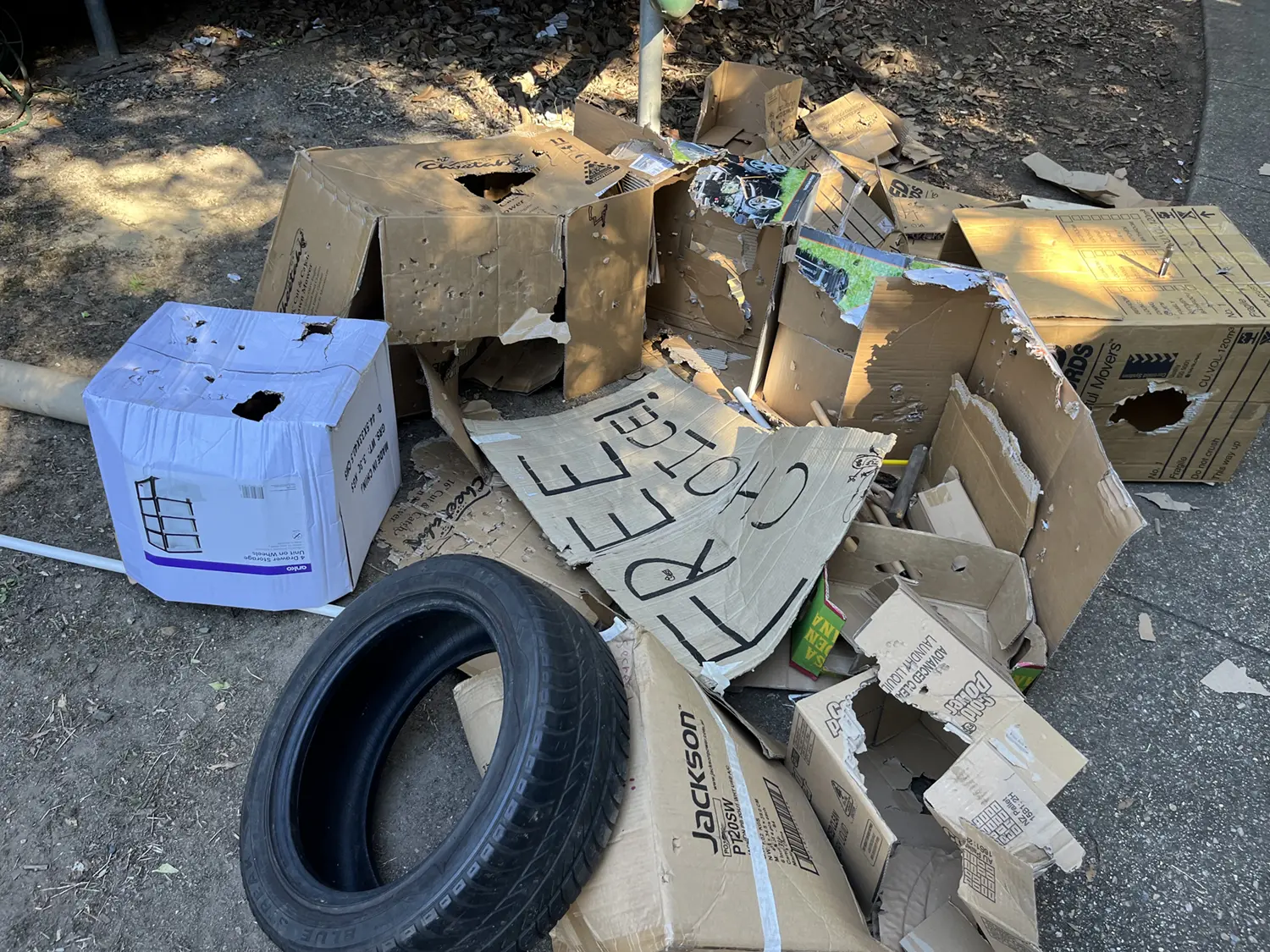
Children are naturally creative when they are given open-ended materials and the freedom to use them as they choose. This idea is known as Loose Parts Theory, developed by architect Simon Nicholson.
Loose parts can be almost anything: tyres, crates, fabric, cardboard, sticks, ropes, pipes, tools for making, natural materials, recycled resources, and countless everyday objects. A loose part can become anything a child imagines. A pallet becomes a pirate ship. A sheet becomes a cubby. A length of rope becomes a bridge, a boundary, or a fishing line.
The more variables and possibilities available in an environment, the richer and more creative children's play becomes.
Play Residue
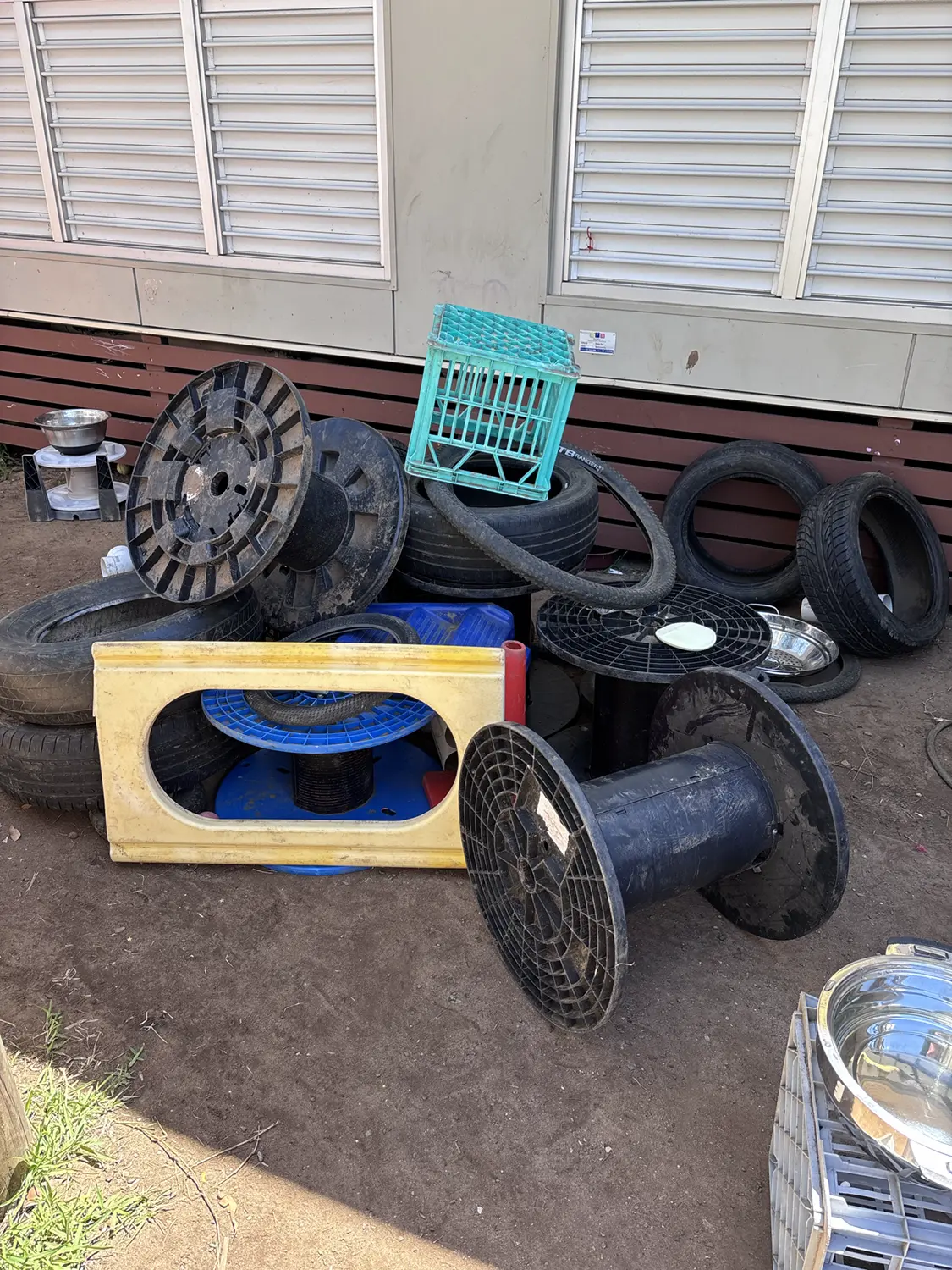
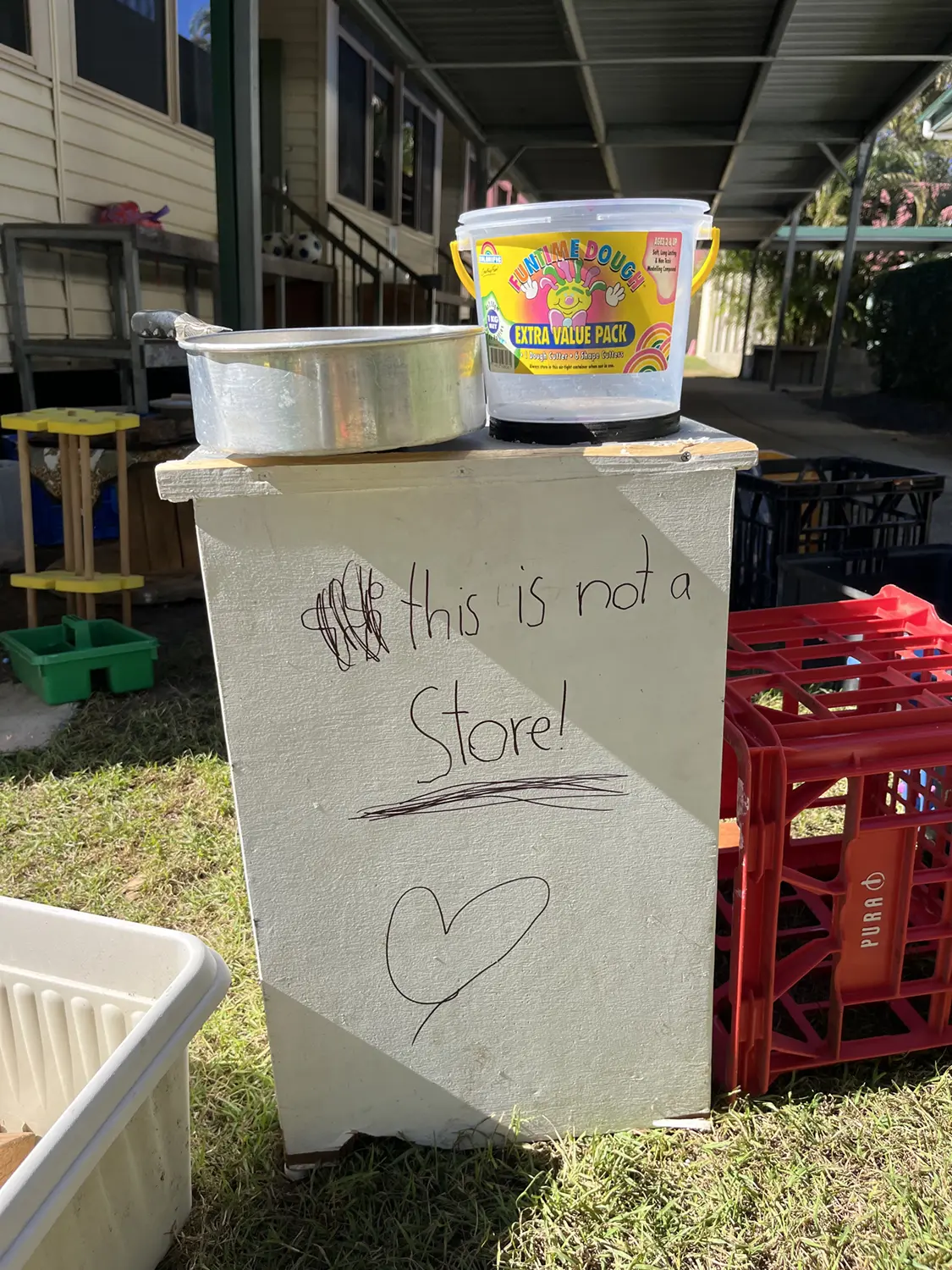
In my practice, I use the term play residue to describe the physical, social, and cultural traces left behind by children's play.
These traces tell a story of how children have explored, altered, occupied, and made meaning within a space over time.
Play residue offers valuable insight into children's interests, play narratives, relationships, problem-solving, and sense of belonging. By paying attention to these traces, I am better able to support responsive, child-led practice and protect the conditions that enable rich play to flourish.
Children's Right to Play
The United Nations Convention on the Rights of the Child recognises play as a fundamental right of every child.
Children need time, space, permission, and opportunity to play. Yet modern childhood is increasingly shaped by busy schedules, risk-averse environments, and a lack of freely accessible places where children can simply be children.
My work focuses on protecting, promoting, and improving opportunities for play by creating environments where children can experience freedom, challenge, creativity, belonging, and joy.
Play is how children learn and grow best.
Play is how children thrive.
Read More